Hello! My name is

Mariia
Miroshnik

I am 18 y.o., hoping to change the world for better by becoming a biology researcher once!

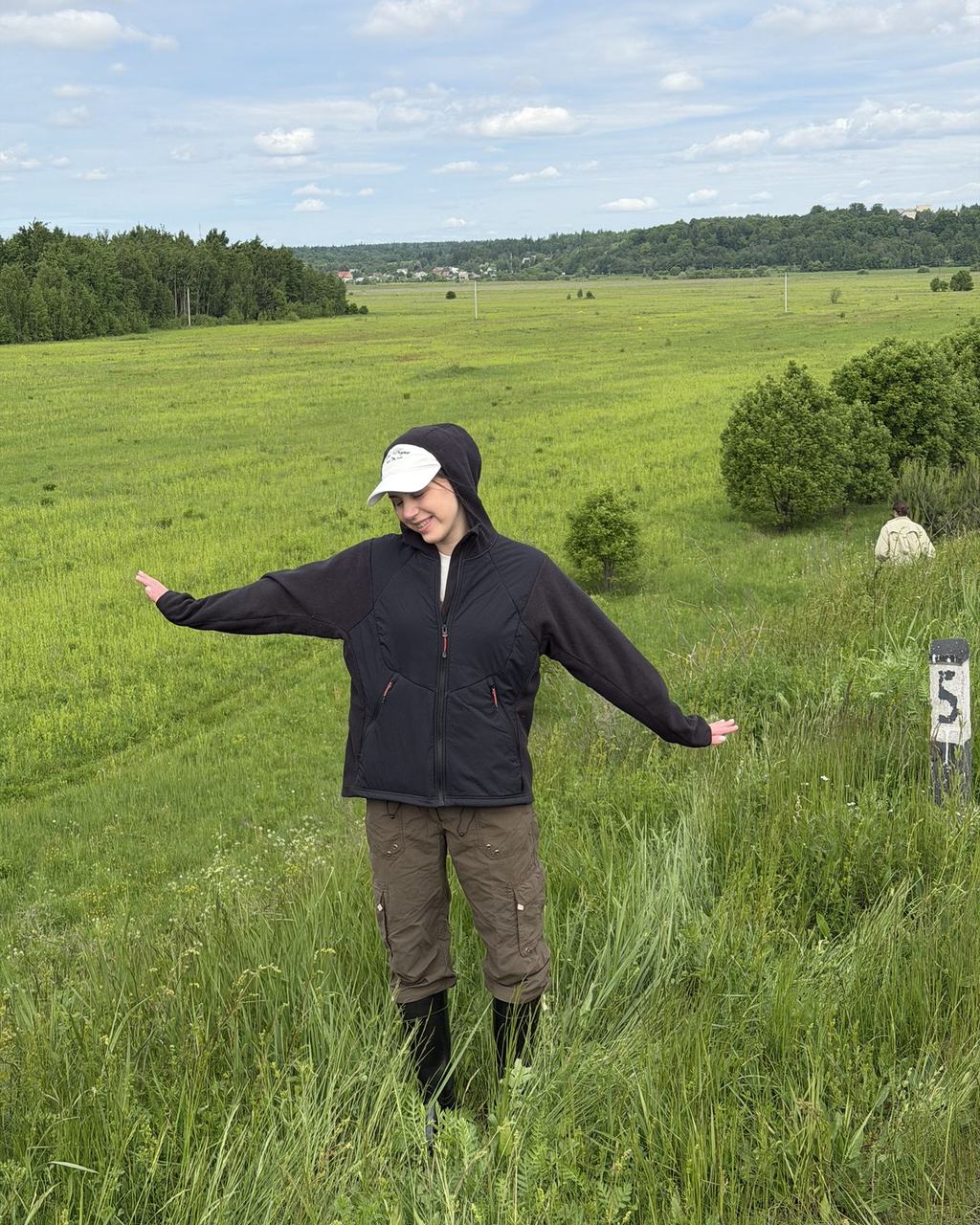
Mariia Miroshnik standing in an open meadow near a forest treeline
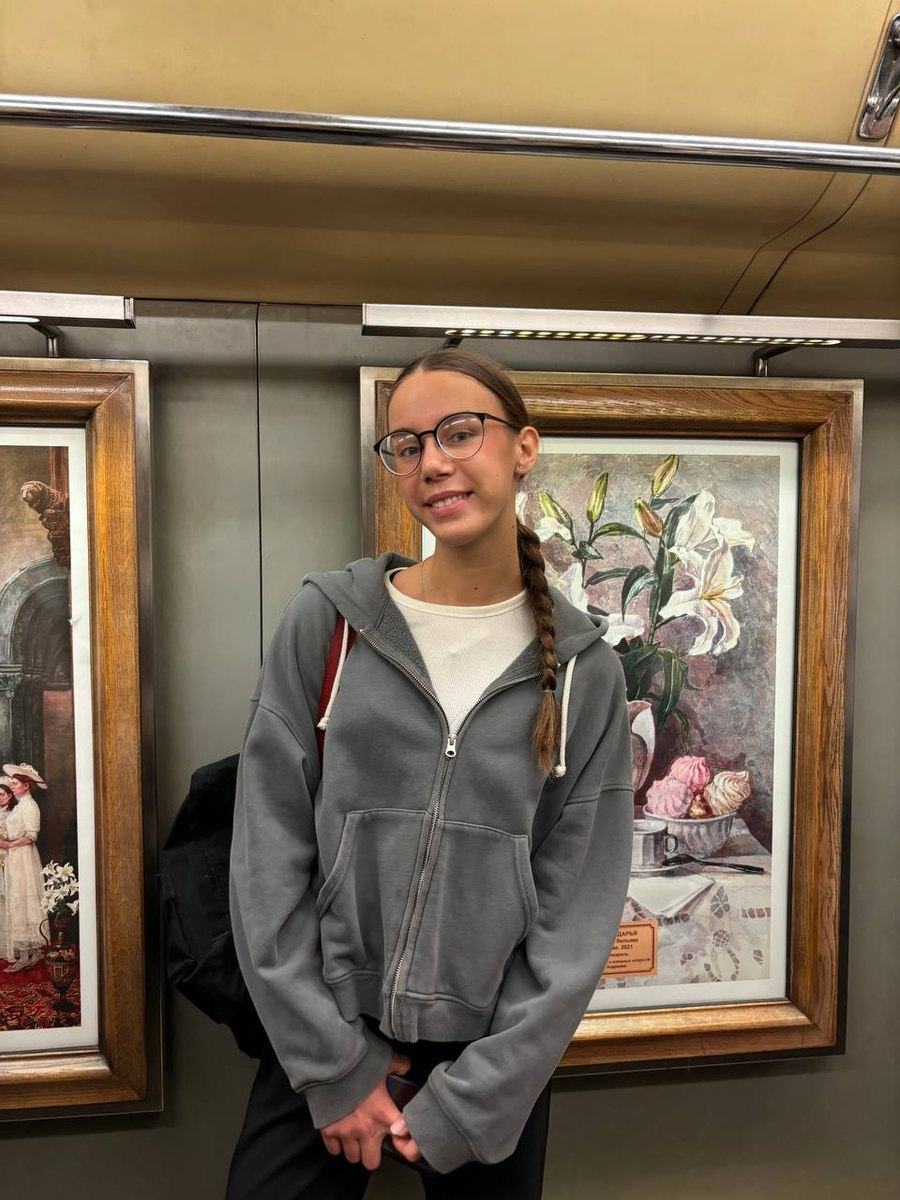
Mariia Miroshnik at an art exhibition
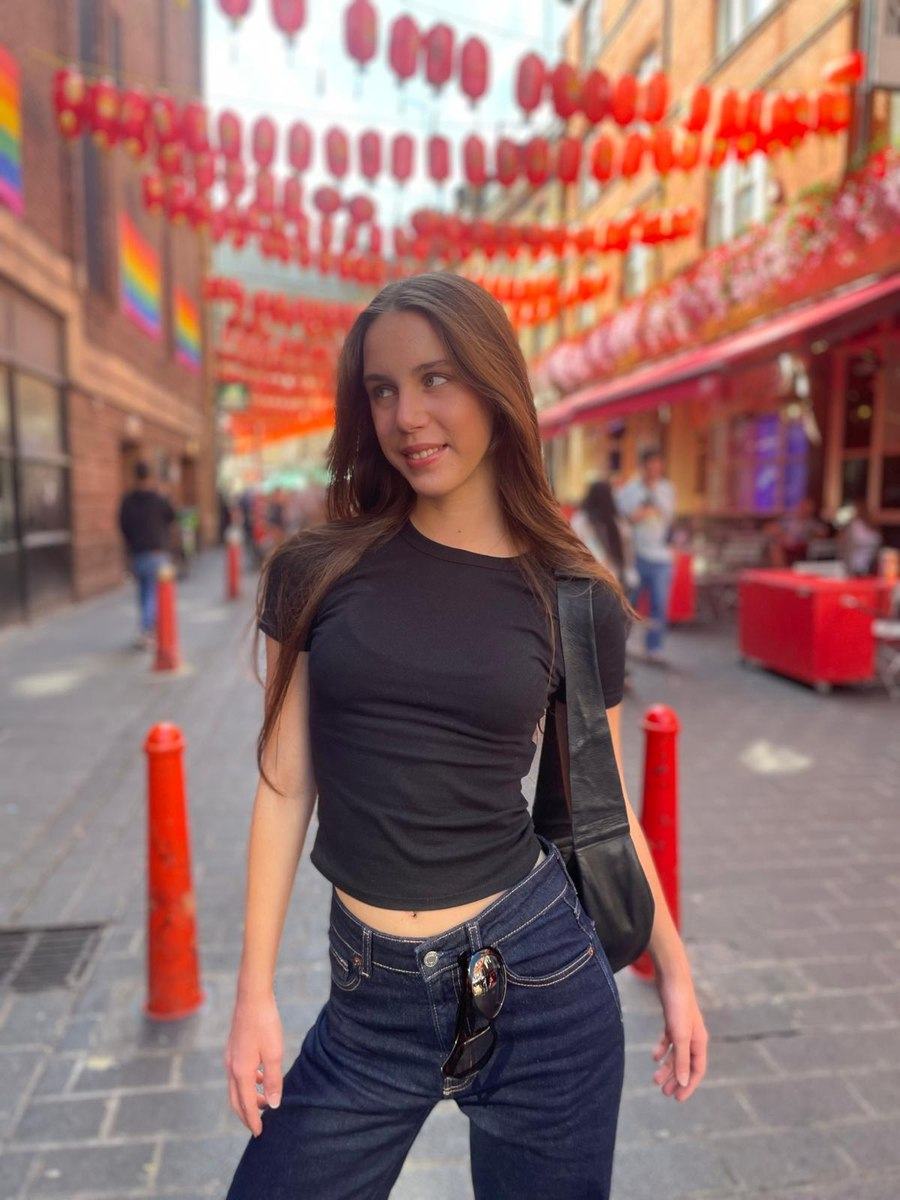
Mariia Miroshnik on a city street

My goal is to contribute to treating still incurable diseases by understanding their molecular mechanisms and finding a way to interfere with them.

My scientific interests: structural and functional properties of high-molecular compounds, protein-protein and protein-ligand interactions, as well as in silico design of therapeutic molecules. I am sure that a prospective way to create next-generation drug candidates today is a combination of physico-chemical modeling, molecular dynamics, and AI. I find pursuing a career at the junction of biochemistry and bioengineering to be the most relevant further step for me.

02

Academic

My academic background

2020-2023

“chemical-biological” class with advanced mathematics, chemistry, and biology ~5 h/week each.
Main state exams (MSE) in Mathematics (5/5), Chemistry (5/5), and Biology (5/5)

2023-2025

“medical” class with ~6 h/week in biological, chemical, and medical subjects. I graduated this class with honors, achieving a gold medal from the state for “special academic achievements”.

Unified state exams (USE) in Mathematics (82), Chemistry (99), Biology (88), and English (88), ranking in the top 0.6% and 5% of students nationally in Chemistry and Biology USE respectively.

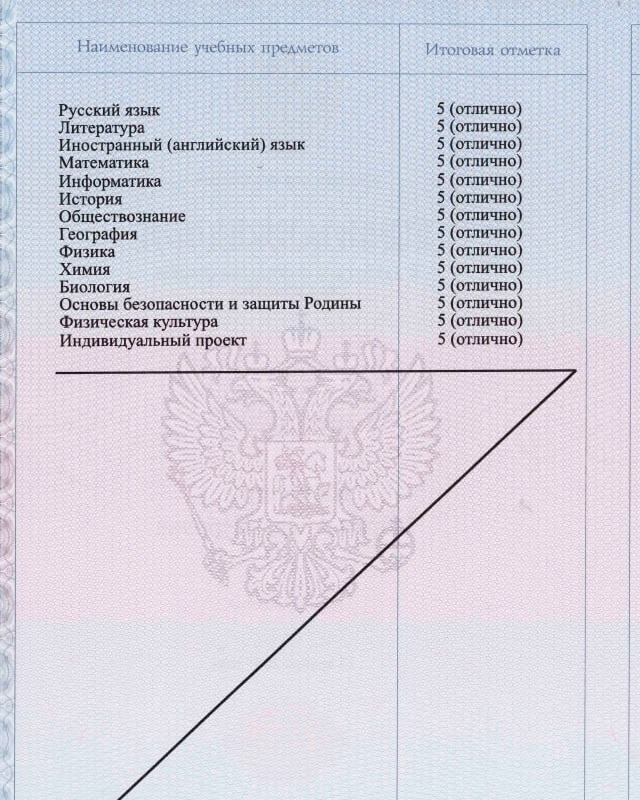
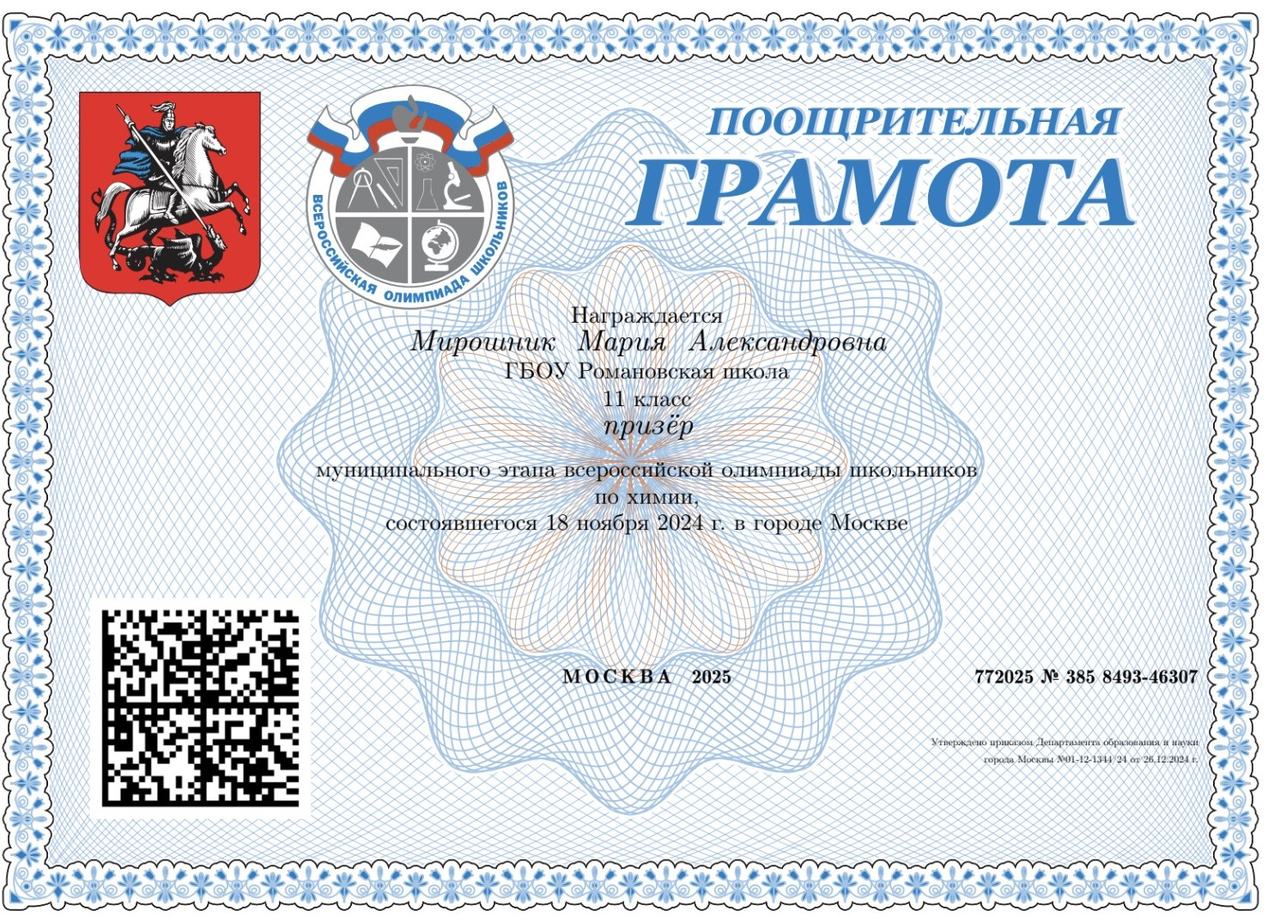
GPA (school) 5.0 Romanovskaya school winner of the municipal stage at All-Russian Chemistry Olympiad, qualified for the regional
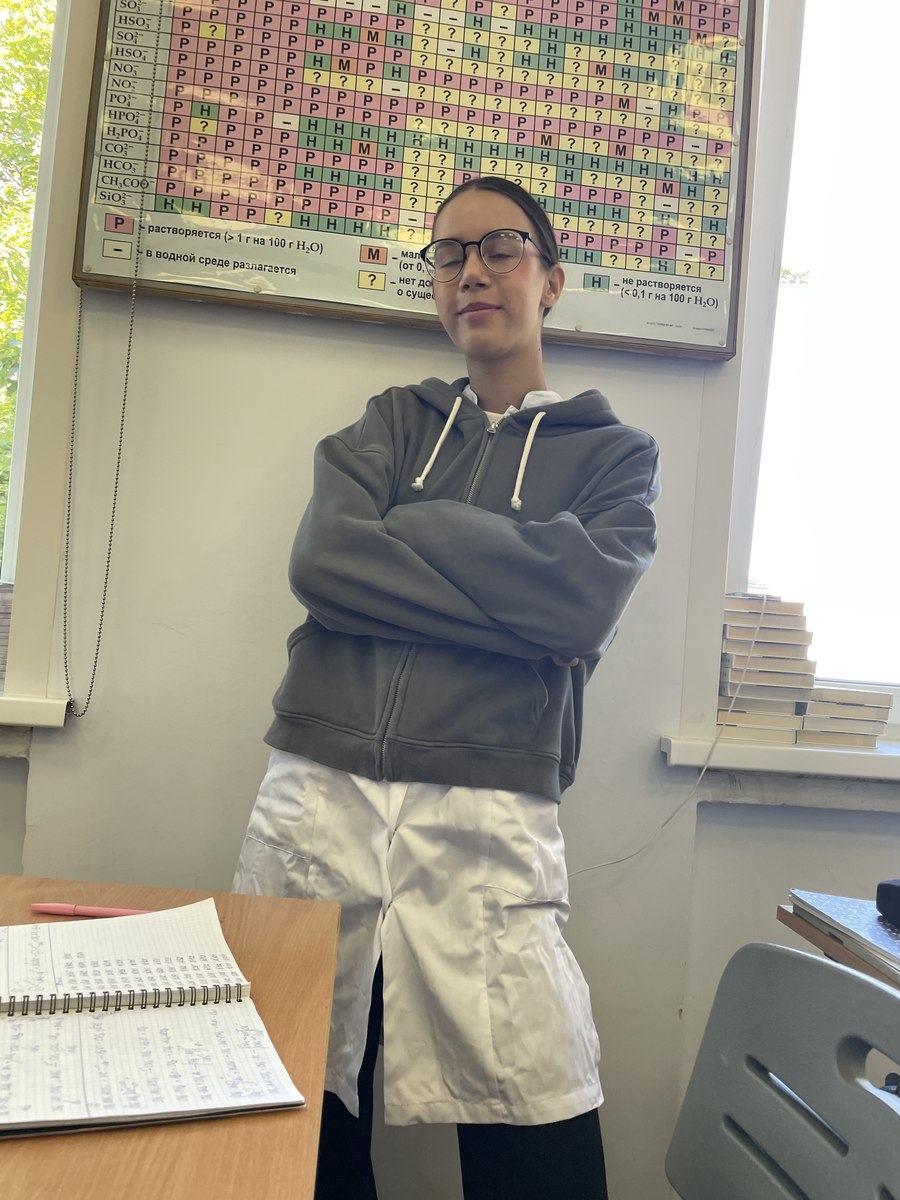
Mariia Miroshnik in a chemistry classroom, next to a solubility chart
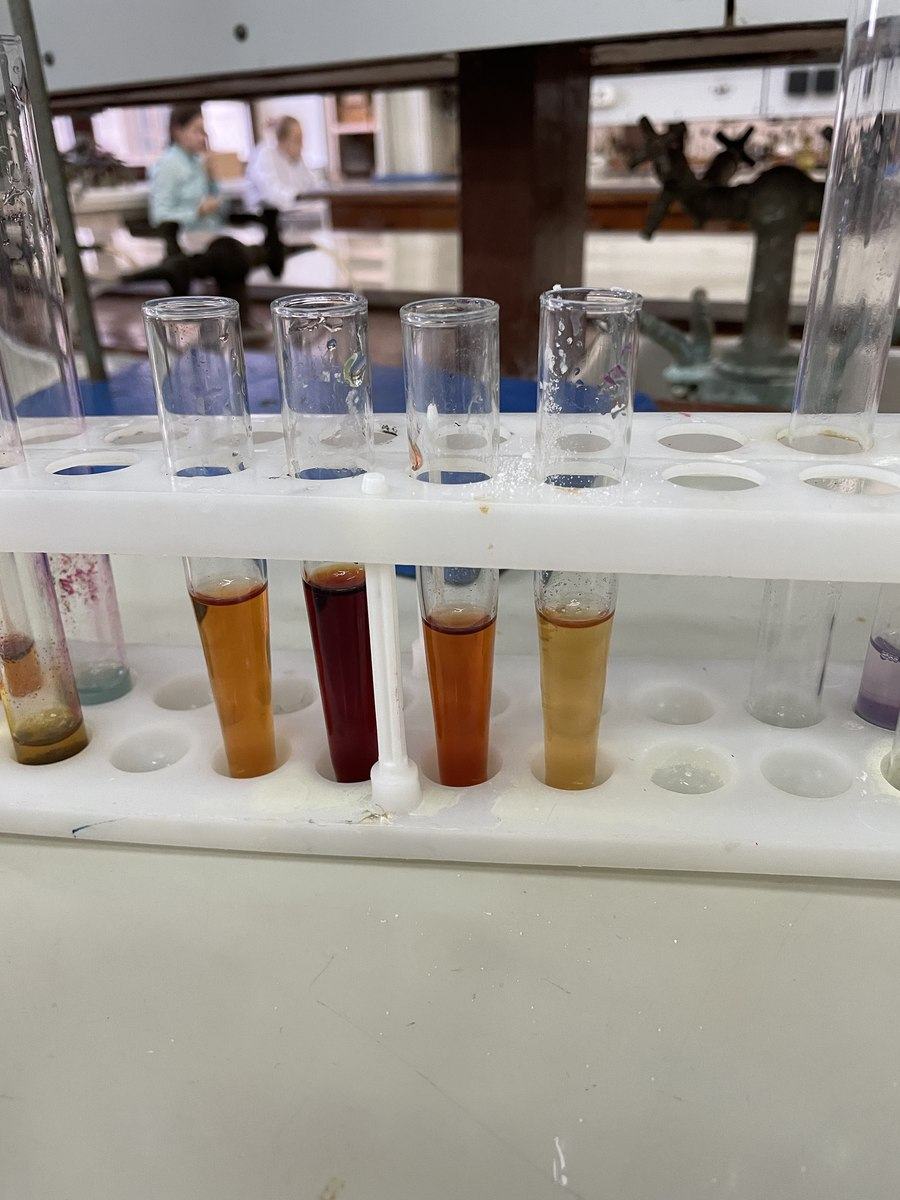
Test tubes with coloured solutions from a chemistry lab session
Final school transcript showing straight-5 grades across all subjects
Certificate as a prize-winner of the municipal stage of the All-Russian Chemistry Olympiad

2025-2026

first year at Moscow State University, the program “General and Physico-chemical Biology”, now belonging to the Bioengineering department. I took “higher mathematics”, “cell biology”, “general and inorganic chemistry”, “organic chemistry”, “physical chemistry”, “physics”, “mathematical modeling”, and others. I truly want to continue my education abroad to access the cutting-edge academic environment outside the political constraints, as well as to be a part of a democratic society and develop my life with diverse talented people from all over the world.

SAT 1520 GPA (MSU) - 5/5, 5/5 IELTS 7.5
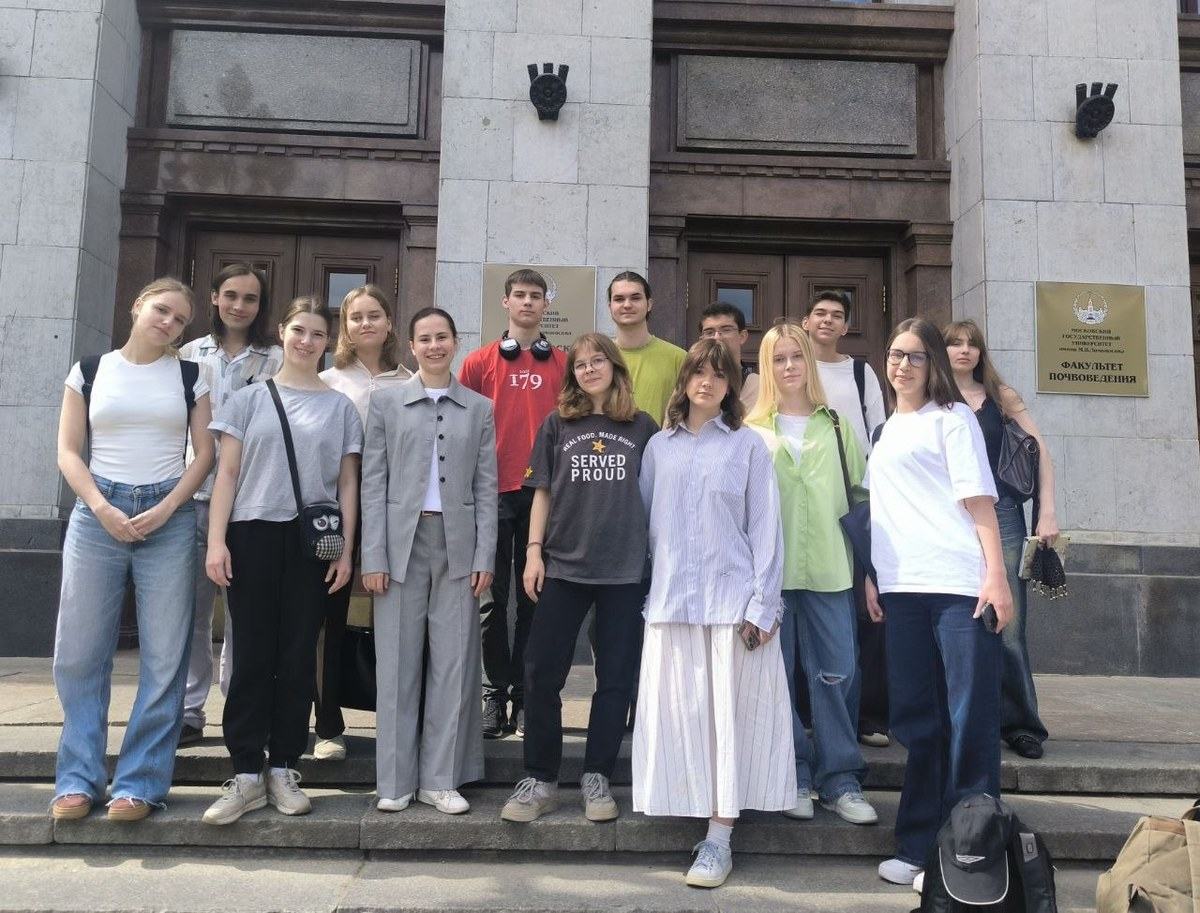
Mariia Miroshnik with classmates in front of Moscow State University's faculty building
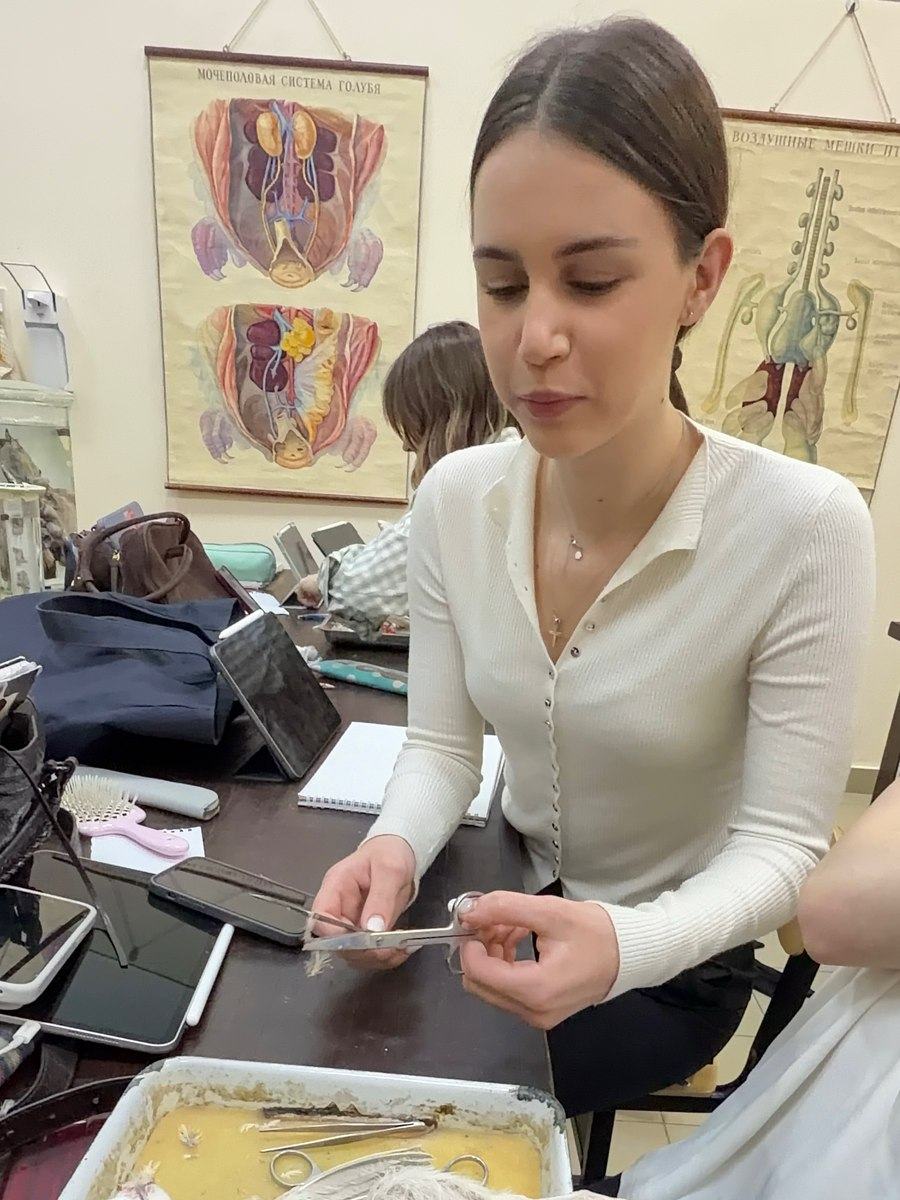
Mariia Miroshnik working with a specimen during a practical class, anatomical posters in the background
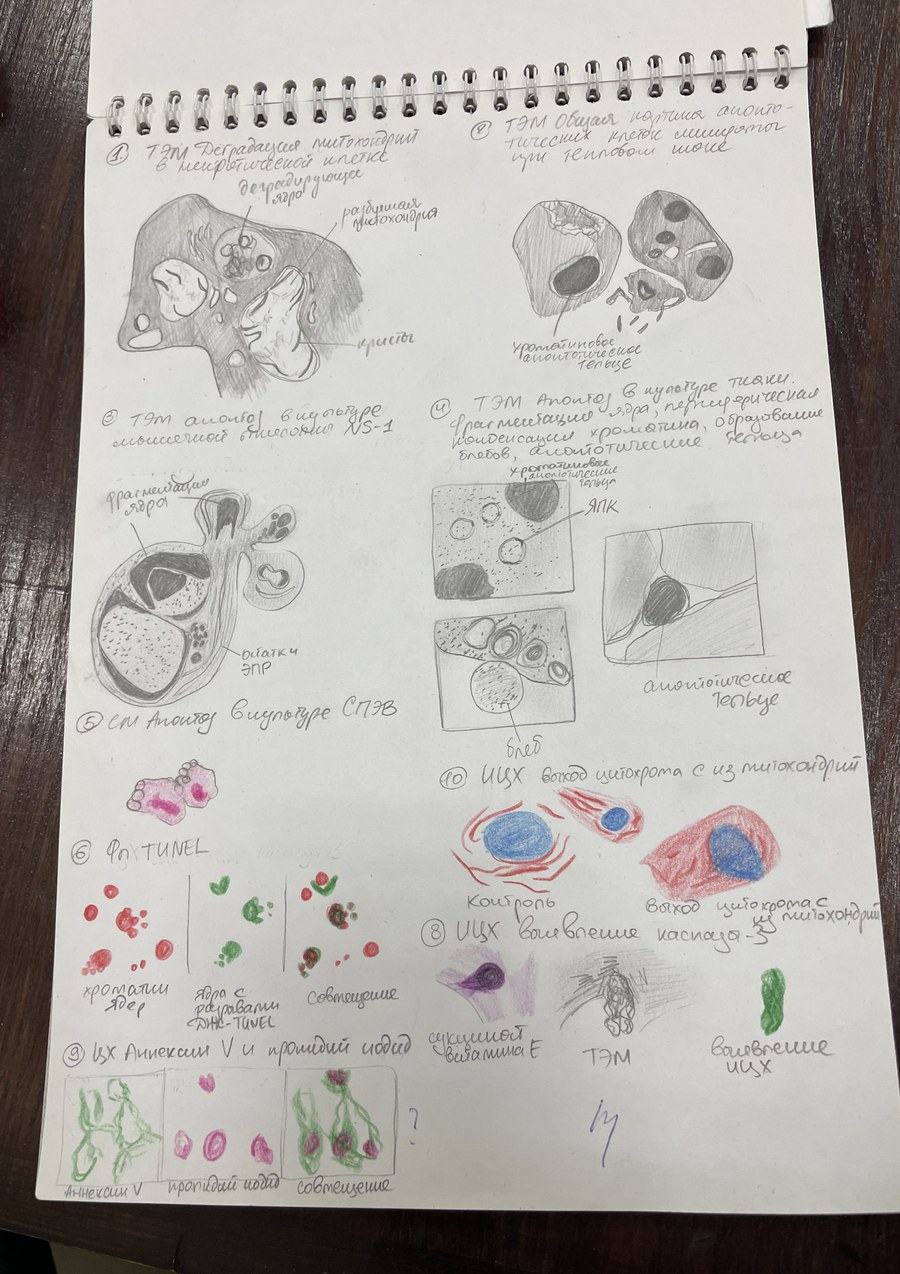
Hand-drawn notebook sketches of apoptosis observed under TEM
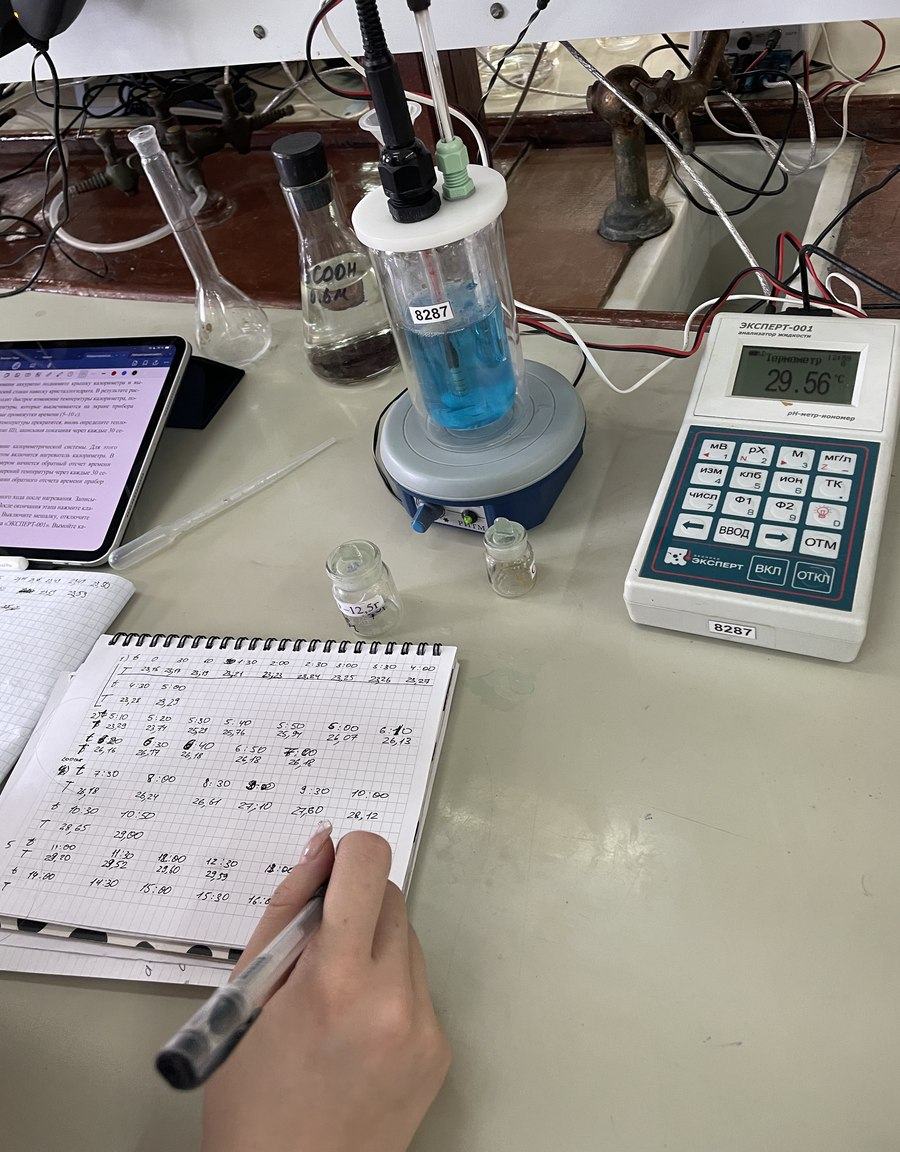
Calorimetry setup with a pH meter and handwritten temperature readings
03

Projects

I have been engaged in research and research assistance for the past 3 years

10th-11th grade

I completed a course “Chemistry of living systems” at Russian Technology University (RTU) MIREA, at the end of which I was among the 10% of students chosen to run an individual project at the laboratory of the university. I extracted flavonoids, confirmed their presence using qualitative reactions, checked the antibacterial properties of the extracts and monitored the microbial purity of the preparations.

This project, “Development of Extracts from Medicinal Plant Raw Material Salvia officinalis and Evaluation of Their Antioxidant, Antibacterial, and Microbiological Properties”, was awarded at the RTU MIREA’s applied competition “Golden Dozen” 2024 and later at several other All-Russian scientific conferences. At this moment the manuscript of this research is under consideration for publication in the National High School Journal of Science.

1st year at MSU (March-now)

I got an internship at the Laboratory of Cell Biology, IBS RAS under the supervision of Dr. Vorotelyak, Dr. Gaydamaka, and the scientific worker Yana Tatarenko. I extract, culture and passage MenSC, sometimes conducting karyotyping and mastering microscopy methods, confocal and fluorescent, as well as staining techniques, immunocytochemistry and fluorescent labeling. I follow the process of the main experiments on MenSC standardization and discuss the results with the team.

June-now 2026

My fellow students (Kirill Azmukov, Anna Zagorovskaya, David Khlebnikov) and I conducted a comparative study of AI plant identification apps on four species and built a Python-based hint system using Mayevsky’s botanical guide to recommend which plant’s specific parts to photograph for accurate identification. I then extended this work by training an InceptionV3 classifier and applying Grad-CAM to it to see what exactly the model is looking at, but used the data set with non-removed background, resulting in biased learning.

Now, our team is comparing and analyzing the architectures of different neural networks to find the best fit for plant identification. In addition, our thesis of this research has been accepted at the All-Russian Youth Scientific Conference with International Participation “Biotechnology in Crop Production, Animal Husbandry and Agricultural Microbiology” that will be held on October 27.

July 2026

As a part of scientific work at the MSU’s summer practice I was among the selected students (~15% of all) who investigated associative learning and long-term memory formation in the miniature wasp Trichogramma cacoeciae. Our group used protein synthesis inhibitors (anisomycin, actinomycin D, fasudil) to distinguish between memory types. There I performed behavioral experiments and ran data analysis (DeepLabCut, MATLAB, ImageJ).

We concluded that protein synthesis inhibition is expected to abolish intermediate- and long-term memory in Trichogramma cacoeciae while sparing short-term memory, indicating that extreme brain miniaturization restricts memory consolidation to translation-independent mechanisms.

August 2026

At the Zvenigorod Biological Station, I was engaged in research on the enzymatic composition of crop extracts from two gastropods, Helix pomatia and Arion vulgaris. I learned sample preparation, ran ion-exchange chromatography, electrophoresis and spectrophotometry, and performed the calculations needed to set up these experiments. Through the work I gained hands-on skills in protein separation and detection, and saw how organism biology connects to enzyme chemistry.

04

Skills

My “wet and dry” skills:

General Laboratory Practice

  • Operation: autoclave, centrifuge, laminar flow hood, thermostats, vortex, densitometer
  • Preparation of buffers, nutrient media, sample suspensions, coloring of preparations

Analytical Chemistry & Biochemistry

  • Spectrophotometry (mastering)
  • Extraction methods (single/multiple extraction from plant material)
  • Chromatography (TLC, Ion-exchange) (mastering)
  • Electrophoresis (mastering)
  • Qualitative analysis (reagents, solutions)

Molecular & Cellular Biology

  • Cell culture techniques (primary cells, sterile technique)
  • Karyotyping (mastering)
  • Microscopy & staining methods

Microbiology

  • Cultivation of microorganisms
  • Diffusion methods (well, disk), deep seeding technique

Computational & Data Skills

  • Microsoft Office (Word, Excel, PowerPoint)
  • Scientific databases (PubMed, Google Scholar, CyberLeninka)
  • Python, R, C++, ML (mastering), relevant software (MATLAB, DeepLabCut, DLTdv, ImageJ)
  • Basic statistical analysis
05

Beyond science

In the same timeline as the 10th and 11th grade I trained in rhythmic gymnastics professionally for 20+ h/week at the Olympic Reserve Sports Center under the supervision of the former head coach of Malaysia’s national team Aksenenko Marina Nikolaevna. I competed at all-Russian-level competitions, participated in Moscow Cups, and in the first round of the Russian Championship 2024. As a result, I achieved the highest title in rhythmic gymnastics - Master of Sports of Russia. I am still keeping in shape as a member of MSU’s RG team.

Another important part of my path is science communication. I have participated in “Start in Medicine” conference, “Medicinal plants” section. I was one of 7 winners in the section (105 finalists) and the only winner among the 16 oral presenters in the section. After this I participated in the “Engineers of the Future” (prize-winner), “80th Days of Science” (winner), “Tree of Life” (winner) scientific conferences as well.

I’ve always wanted to help people; I would say that my sense of injustice is really strong. Through volunteering I can somehow contribute to making people’s lives better; for example, for three summers (2022, 2023, 2024) I volunteered as a wellness instructor at a children’s health camp “NIVA”, leading daily fitness and wellness activities for kids. Another notable part of this was working with children with disabilities. Alongside that I participated in making a short documentary with them - “Special Look of Special Children”.

As a delegate representing Tunisia in the WHO committee at MSUMUN (March 2026), I argued against blanket global antibiotic restrictions, drawing on real resistance data, including a documented rise in carbapenemase-producing bacteria and colistin-resistant genes in Tunisia since 2010. My position instead called for investment in national surveillance and diagnostic capacity, and for rational-use policy over uniform bans, on the grounds that rigid restrictions without local context could worsen inequality in access to essential medicines.

I had to build a case for what Tunisia’s health system could realistically implement, and defend why a stricter global rule might do more harm than good in that specific context.

If the document does not display, open it in a new tab.

If the document does not display, open it in a new tab.

Since September 2025 I’ve been tutoring chemistry and biology to three high school students from a specialized class. Chemistry and biology are their main subjects, so they need to comprehend them really deeply. I design an individual study plan for my students, as well as provide them with accessible lesson materials and constant feedback on their progress. As a result, at the end of the 2025-2026 academic year each student got an overall 5/5 year grade and successfully passed the final tests.

06

WBL

I am the founder of WBL - Women’s Body Literacy project - that translates science-based principles of women’s reproductive health into real-life language. Throughout my life I’ve had situations when I was embarrassed by my body. I believe that every girl would understand this, and it’s what I claim to be wrong. My friend from sports had very intense menstrual pains, but she endured them, because we all thought it was the right thing to do. She was recently diagnosed with endometriosis, a disease that affects one in ten women and still has no cure. I decided that the least I can do is to help young girls understand their bodies properly and not be embarrassed or afraid. I post infographics (text cards with pictures) and podcasts on the most important topics in my channel. I plan to have a lecture at my former school to make more impact. If my project helps at least one woman to better sense her body’s signals I will be truly happy.

08

Contact

I am always open to any type of collaboration!

Download CV